Insights
|
Share
Real-Time Identity Assurance for the Regulated App Economy — Our New Whitepaper
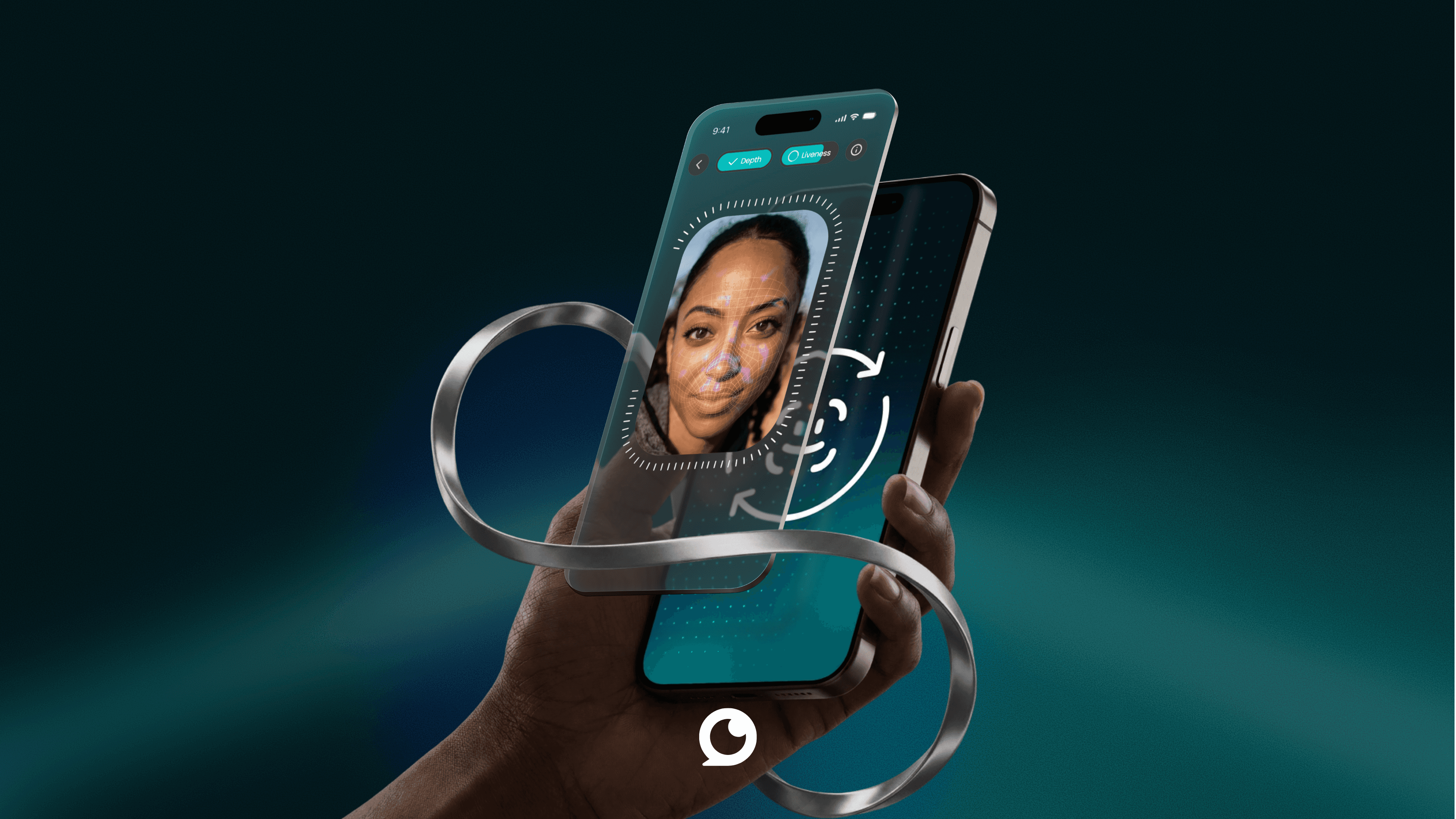
Zero Trust solved the network layer. Nobody solved the session layer.
That is not a critique of Zero Trust architecture; it is a description of where the framework stops. Zero Trust tells you whether the device is trusted, whether the network connection is authenticated, and whether the user passed MFA at login. It does not tell you who is sitting at the keyboard right now.
For most applications, that gap is an acceptable risk. For regulated applications, financial services platforms, legal communications tools, social media platforms operating under the Online Safety Act, and adult content sites with age-assurance obligations, this compliance exposure is increasingly difficult to paper over.
Our new whitepaper, Real-Time Identity Assurance for the Regulated App Economy, sets out exactly where that exposure sits and what it takes to close it.
What the whitepaper covers
The paper works through six regulated industries where session-layer identity assurance is either already required or becoming so:
Financial services — SMCR accountability, insider risk, and the audit trail regulators actually need
Defence and government — operational security in environments where shared device access is a structural reality
Law enforcement — evidence integrity, chain of custody, and the consequences of a compromised session
Digital assets — MiCA compliance, transaction authorisation, and regulatory expectations for platforms holding customer assets
Social networks — coordinated inauthentic behaviour, account takeover, and the DSA's ongoing verification obligations
Dating and social media — romance fraud, grooming, and what the Online Safety Act's duty of care requirements mean in practice
For each sector, we cover the regulatory context, the specific risks that point-of-login authentication fails to address, and the CFR SDK's response.
We also cover the technical architecture in detail: how on-device processing works, why no biometric data leaves the device, what liveness detection and depth verification actually do, and how the SDK integrates into an existing regulated application without disrupting the user experience.
Why this matters now
The regulatory direction across all sectors covered in this paper is the same: identity verification is shifting from a point-in-time event to an ongoing obligation.
SMCR requires that accountability can be attributed to a specific individual, not just to a session. The Online Safety Act requires proactive technical measures against CSEA, not reactive moderation. MiCA and equivalent digital assets regulation require demonstrable controls around transaction authorisation. The DSA is pushing platforms toward evidential-standard verification rather than self-declaration.
These requirements converge on a single capability gap: the session layer.
The CFR SDK was built to close that gap. The whitepaper explains how.
Download the whitepaper and see how real-time identity assurance applies to your platform.